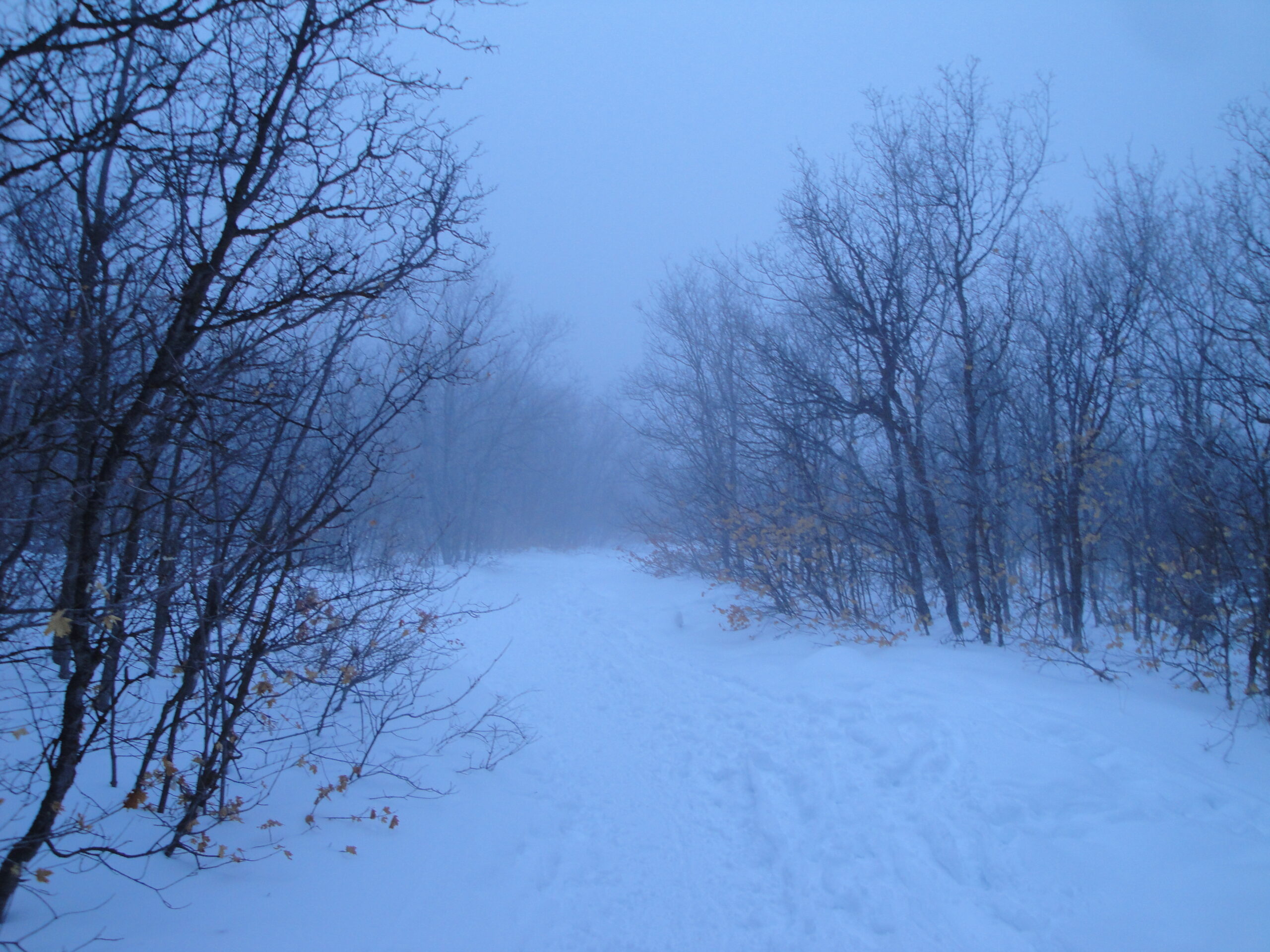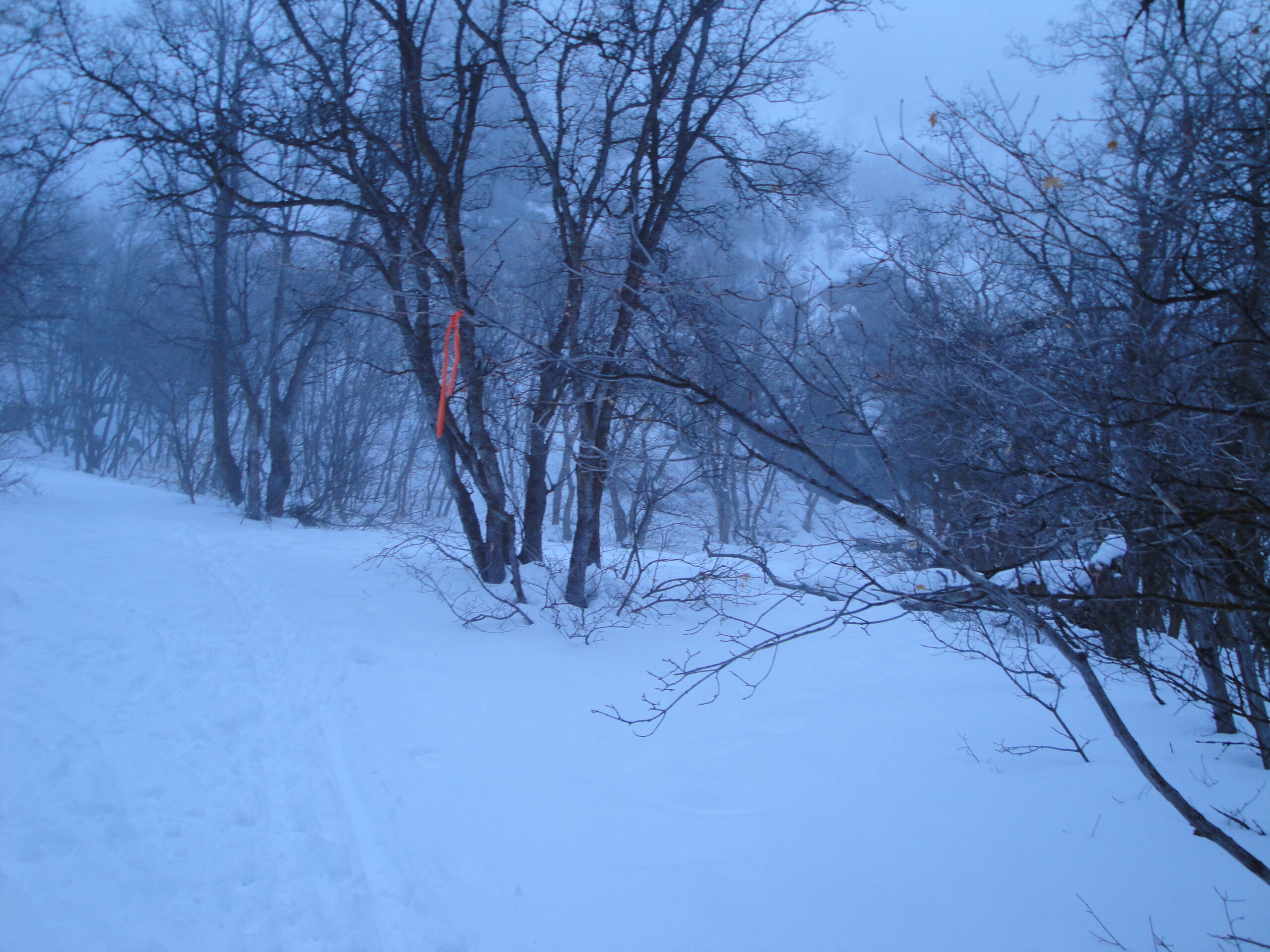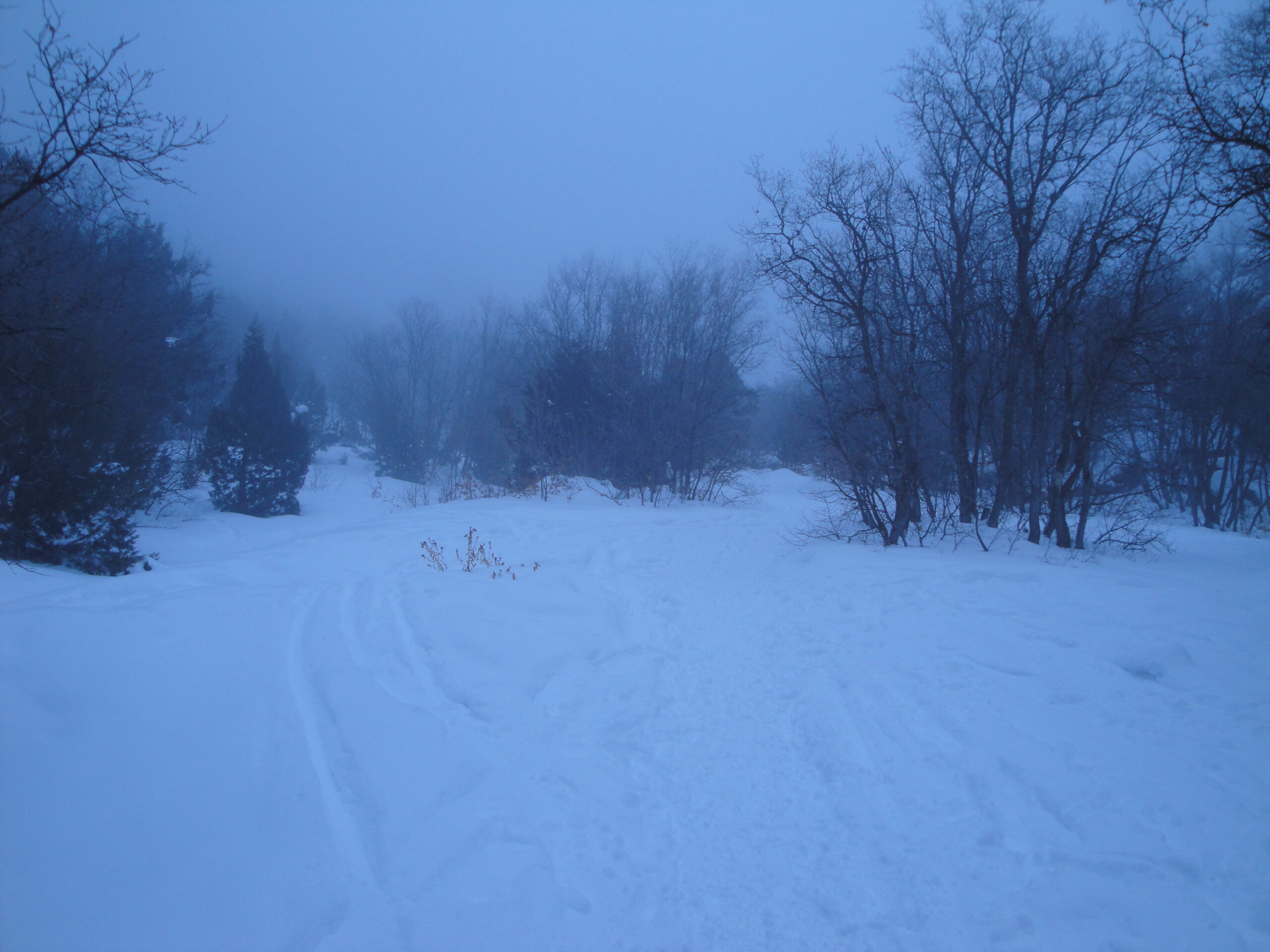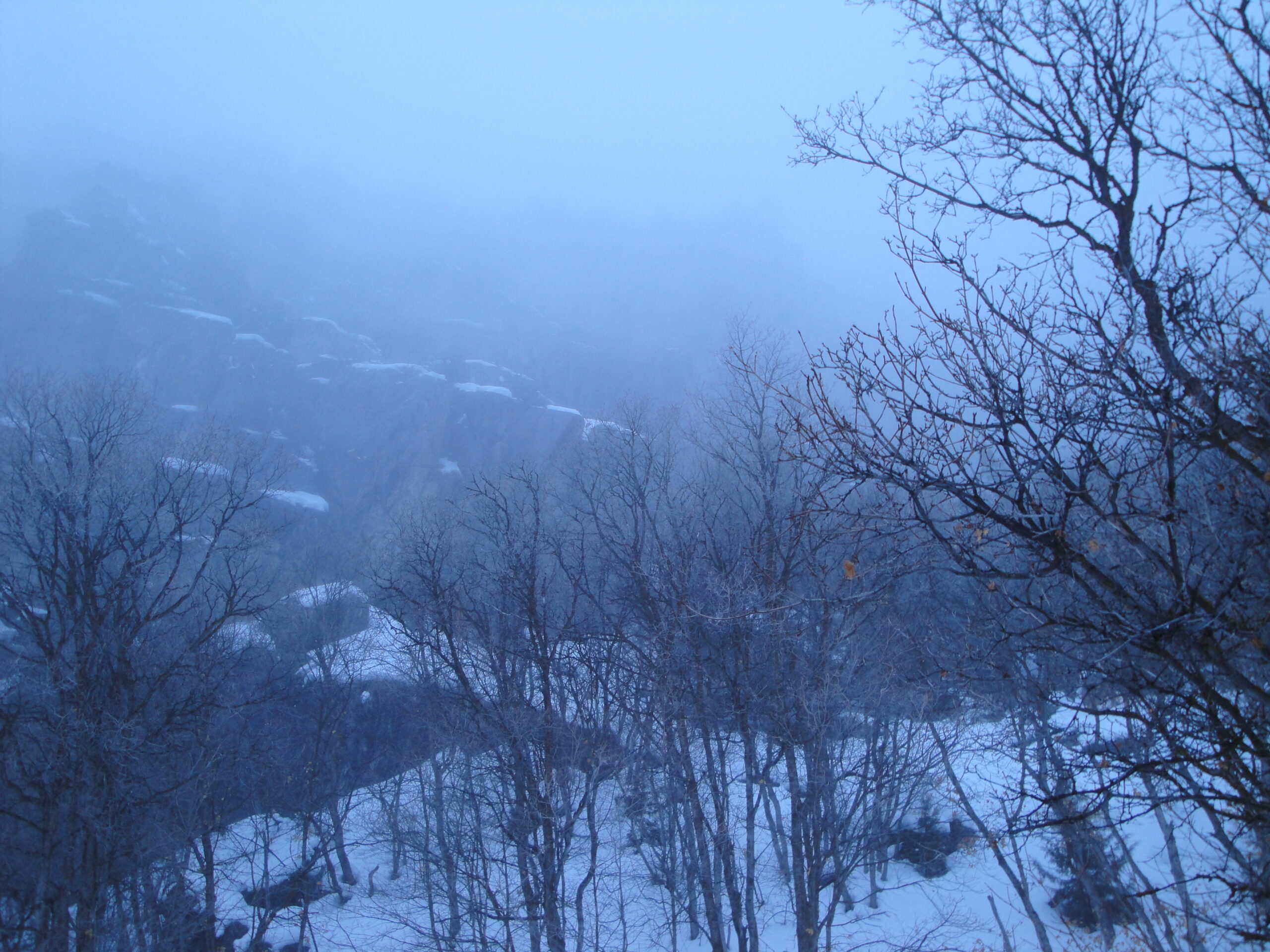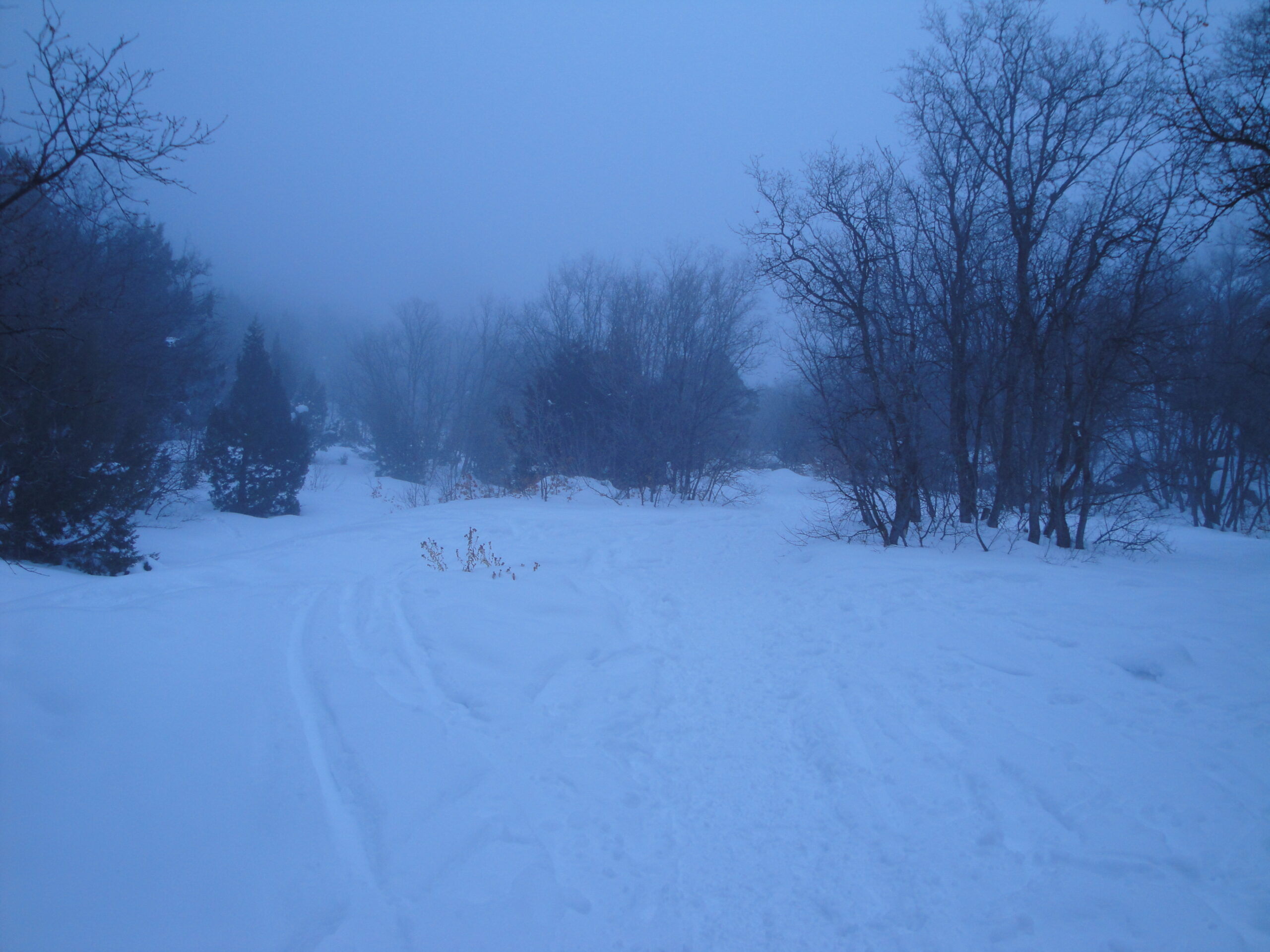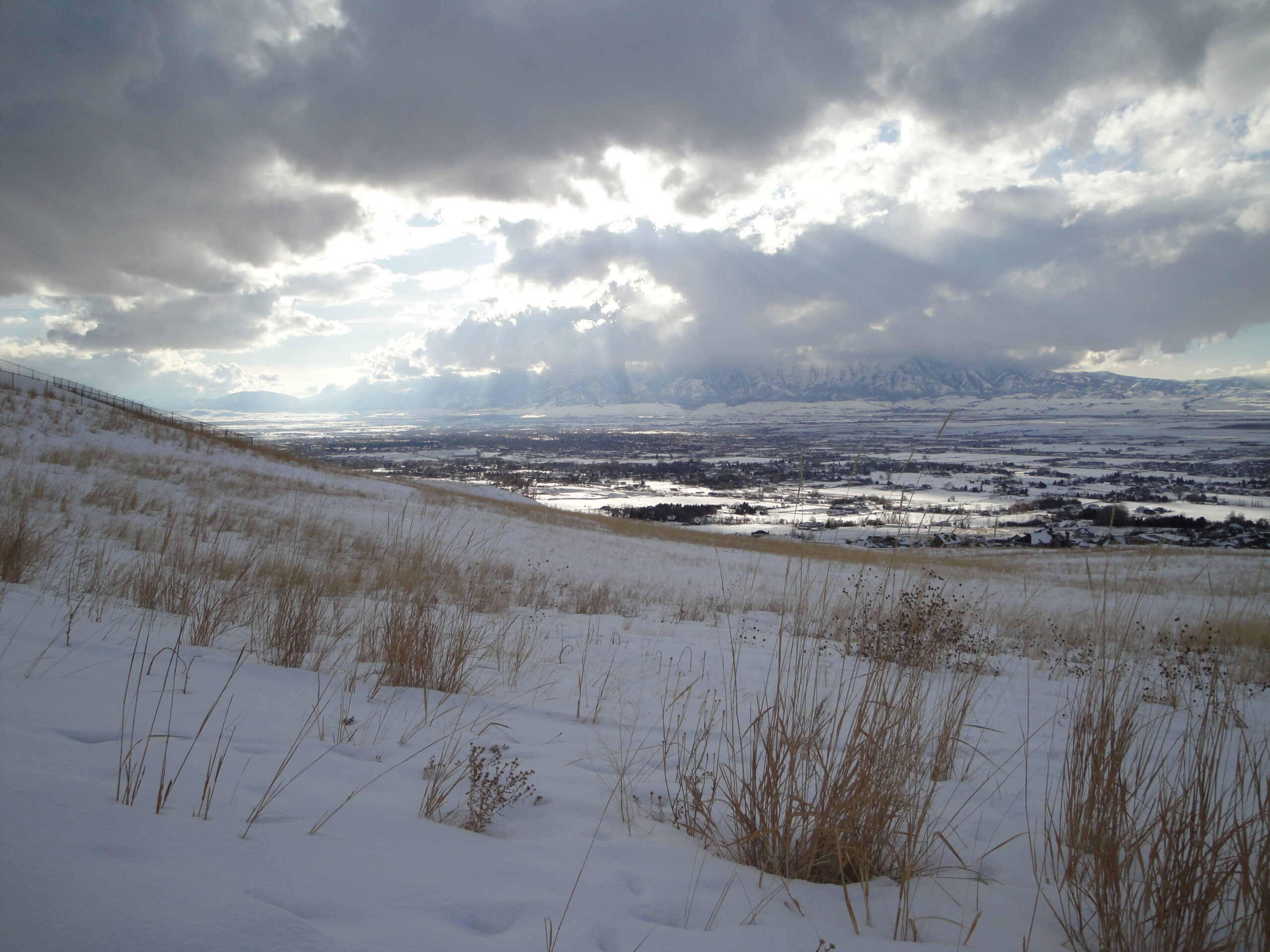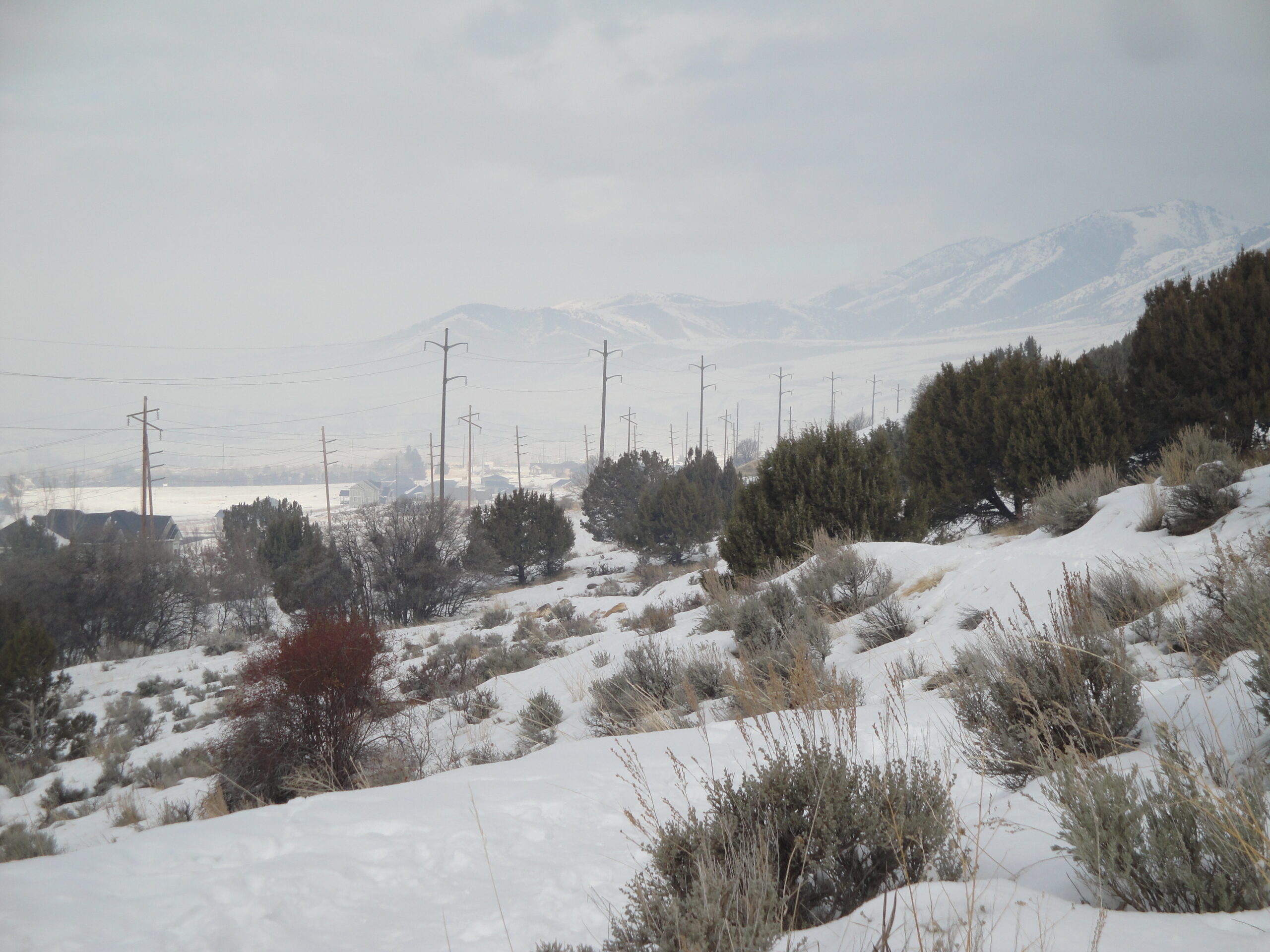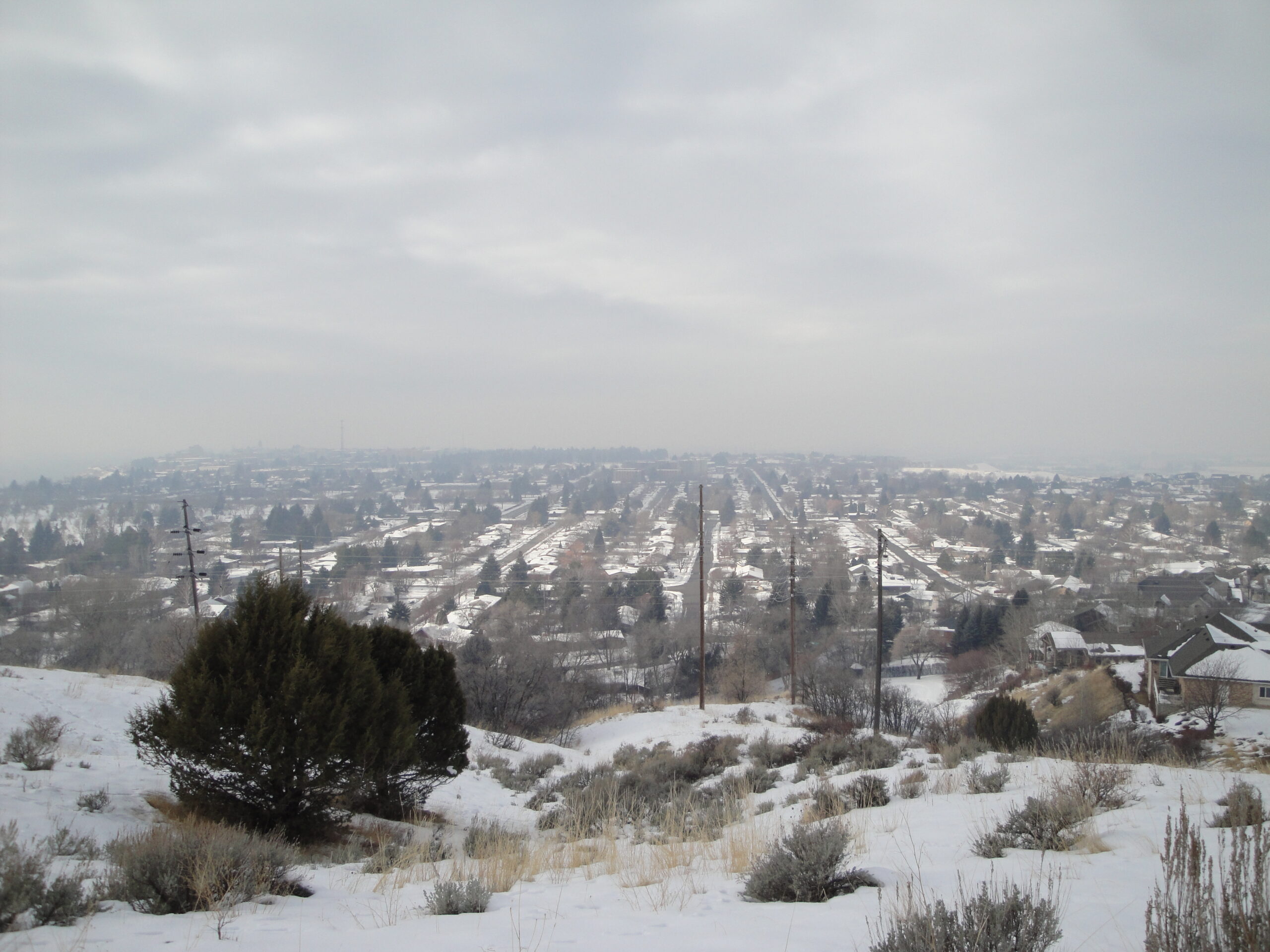
The Prep
Before jumping into three intense days of avalanche training (January 6–8), I needed to make sure my snowmobile was running at the top of its game. On Saturday, January 3rd, I went on a test ride with Nate Stonely, whom I’d met through Facebook. That ride proved essential—it revealed a worn-out pull start, which I replaced immediately. With the sled purring and my beacon, probe, and shovel packed, I was ready to ride.
Day 1: Classroom & Pit Digging
We kicked off day one with two hours of classroom instruction at the lodge with Duncan Lee and Nate Smoot, meeting the other riders and planning out our strategy for the snow.
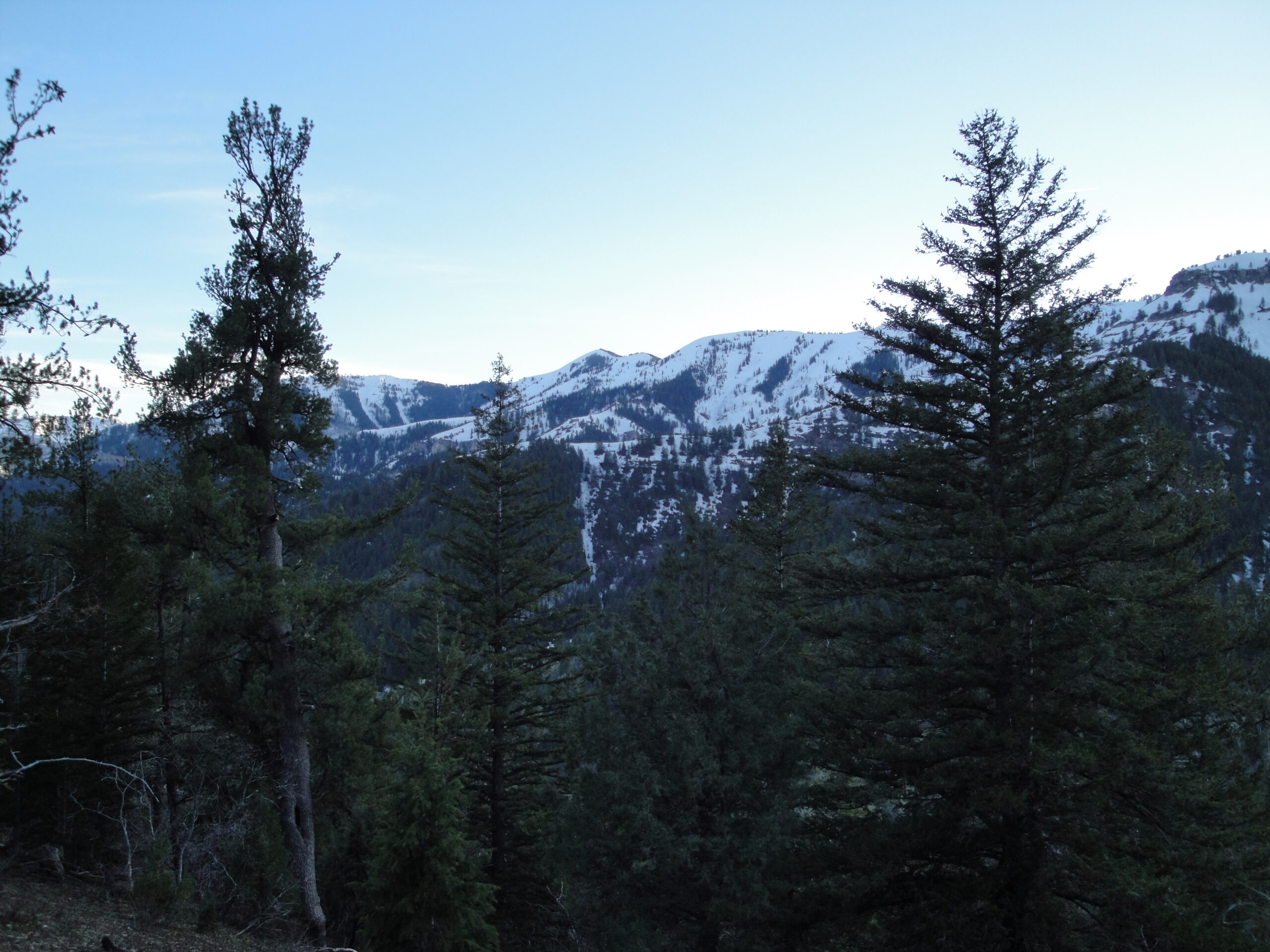
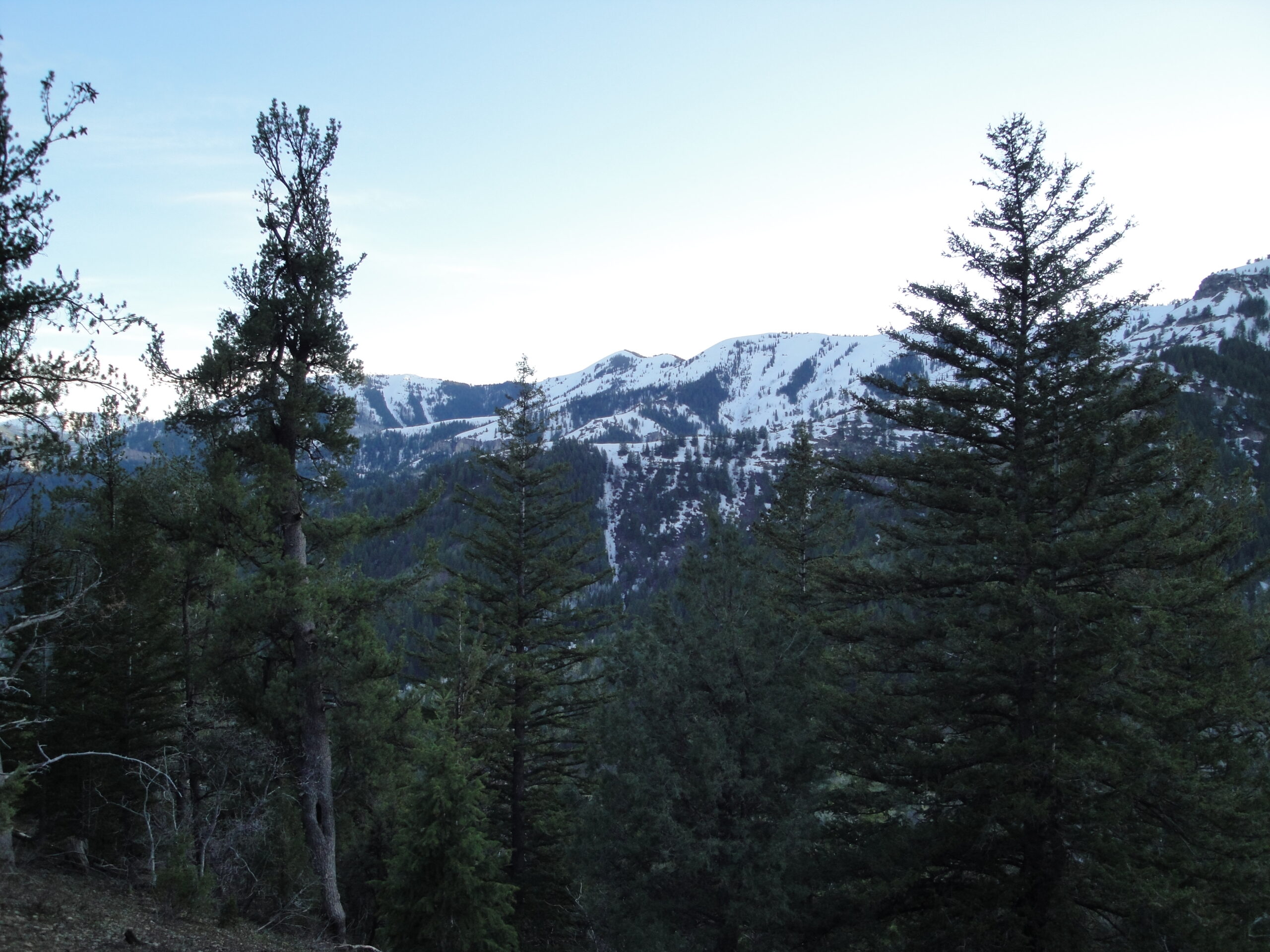
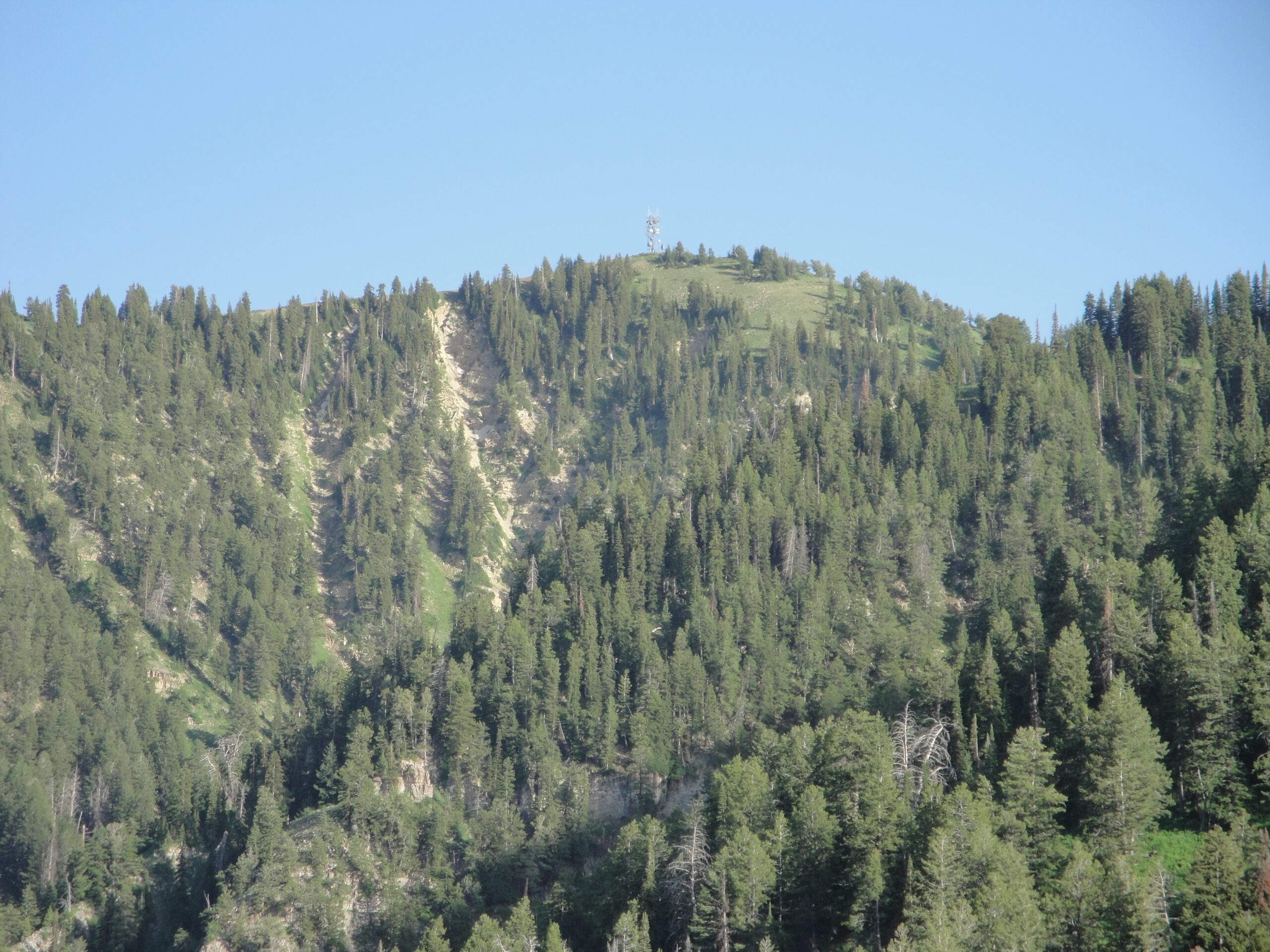
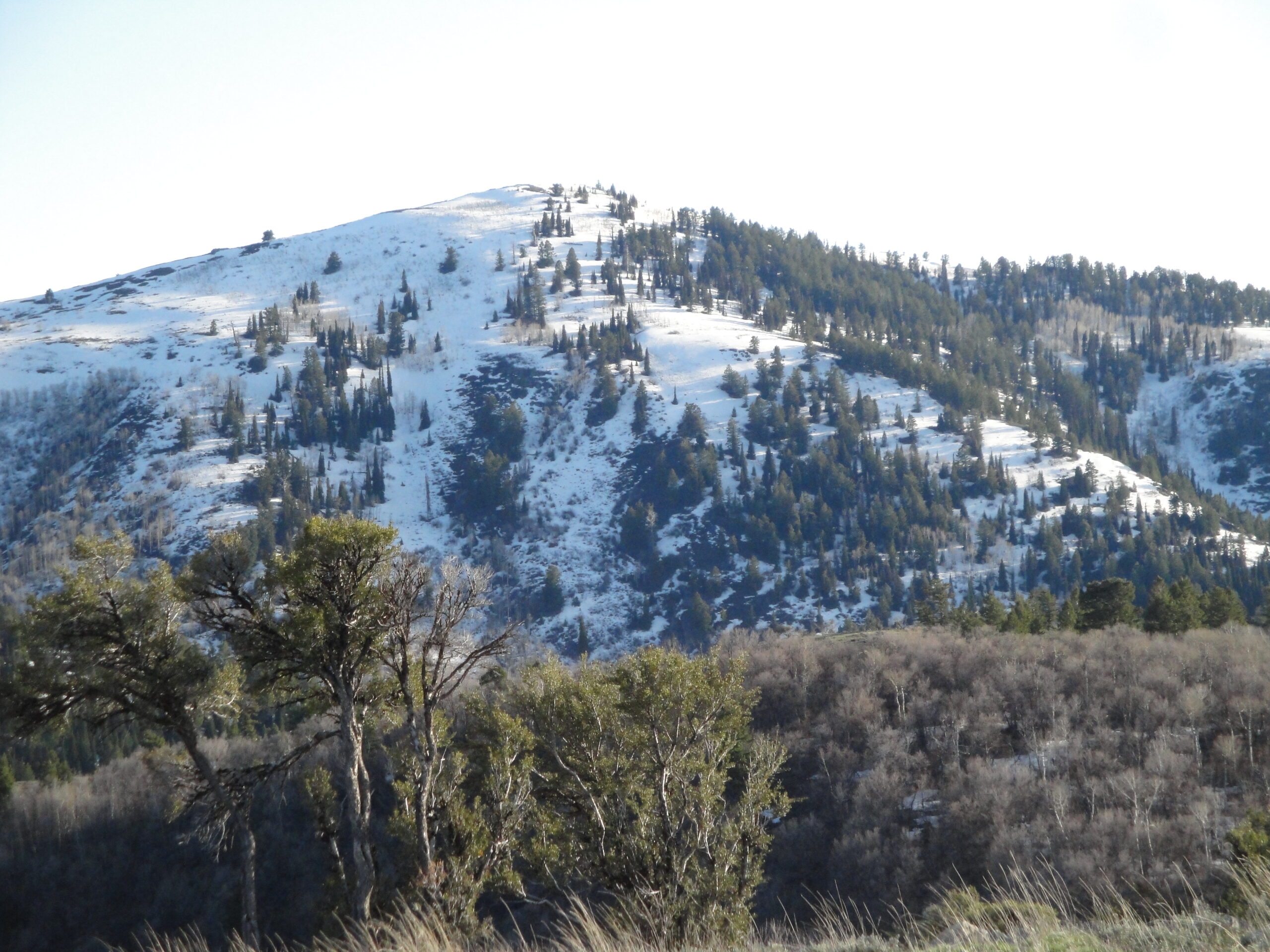
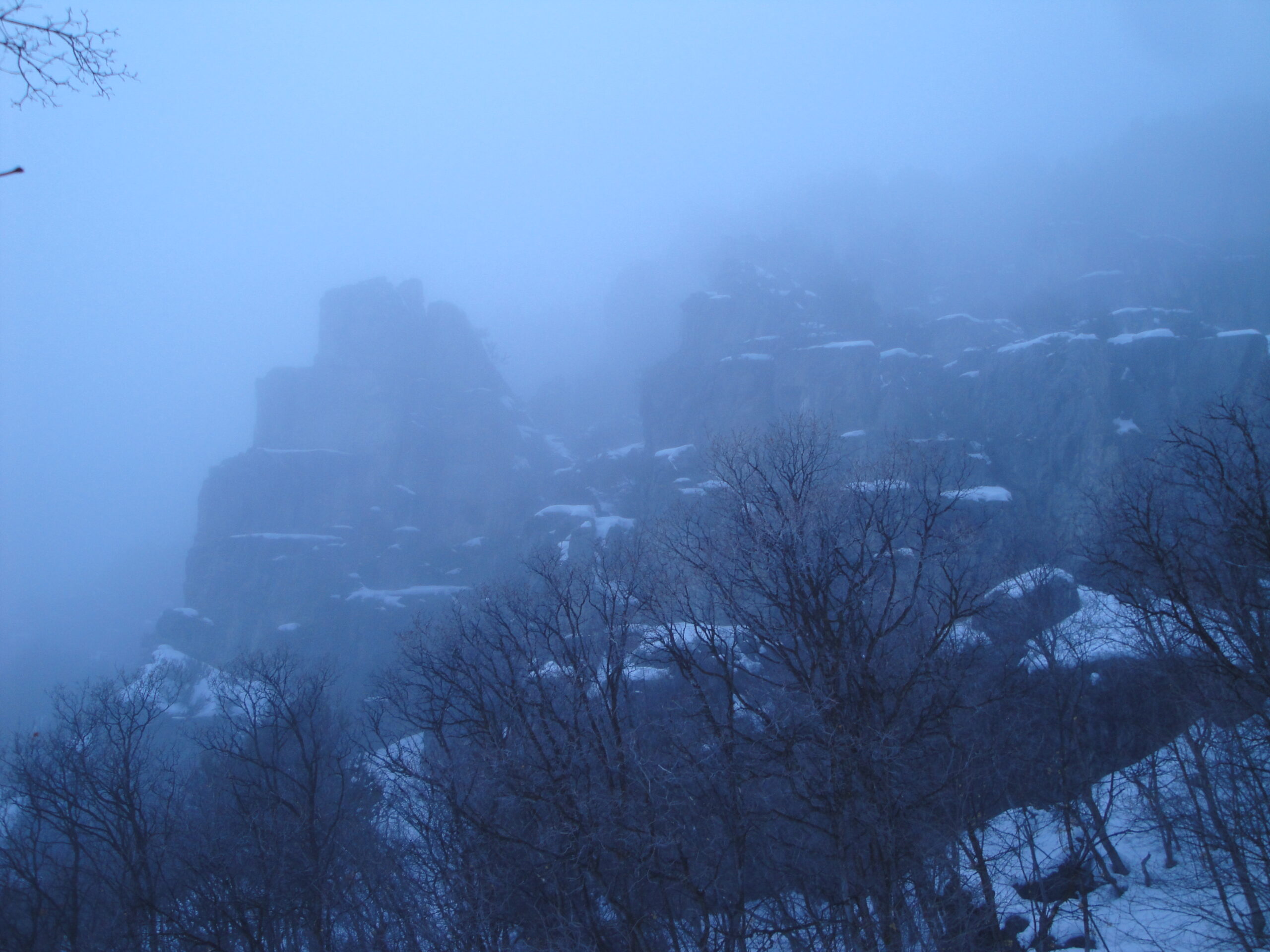
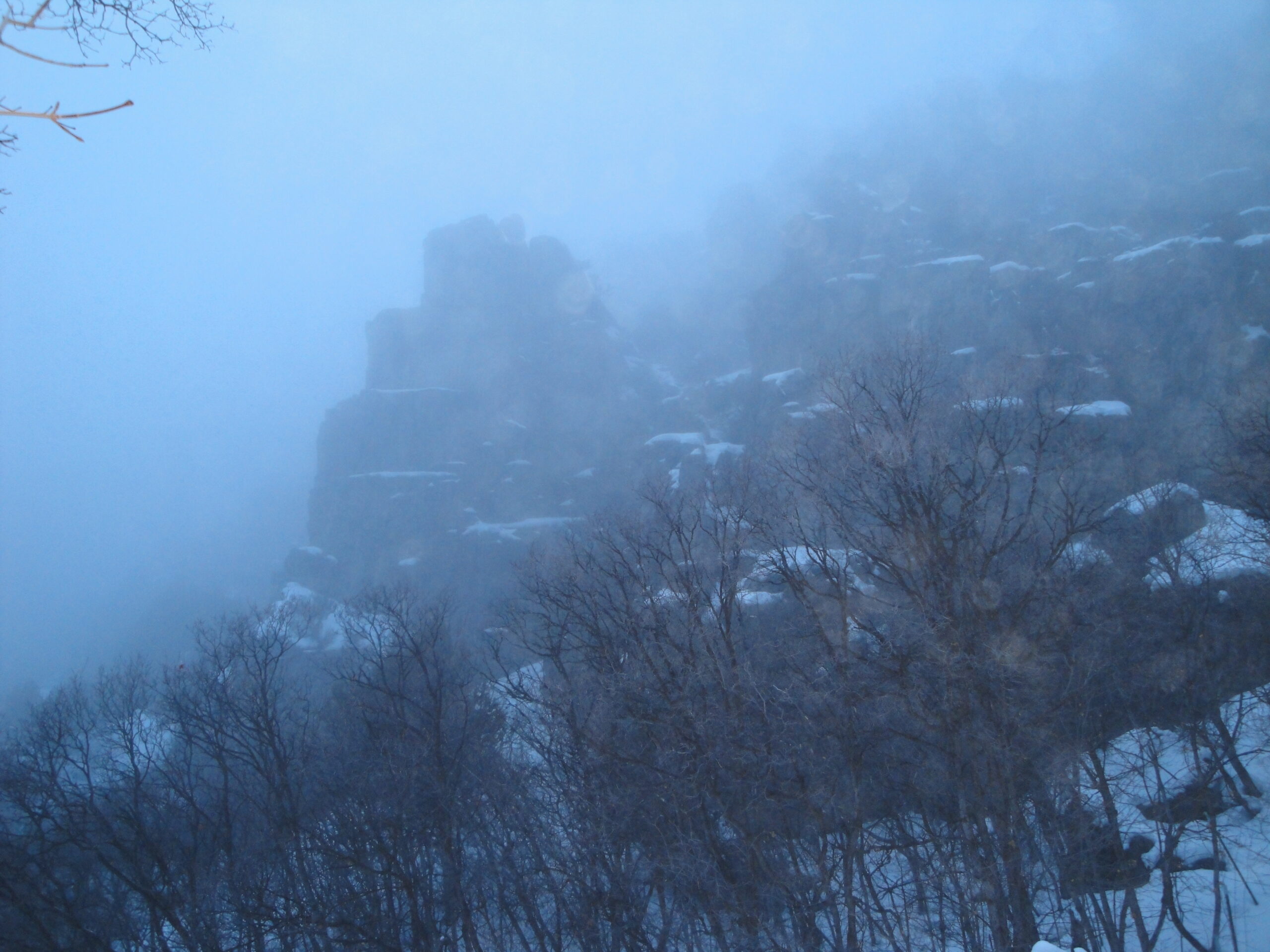
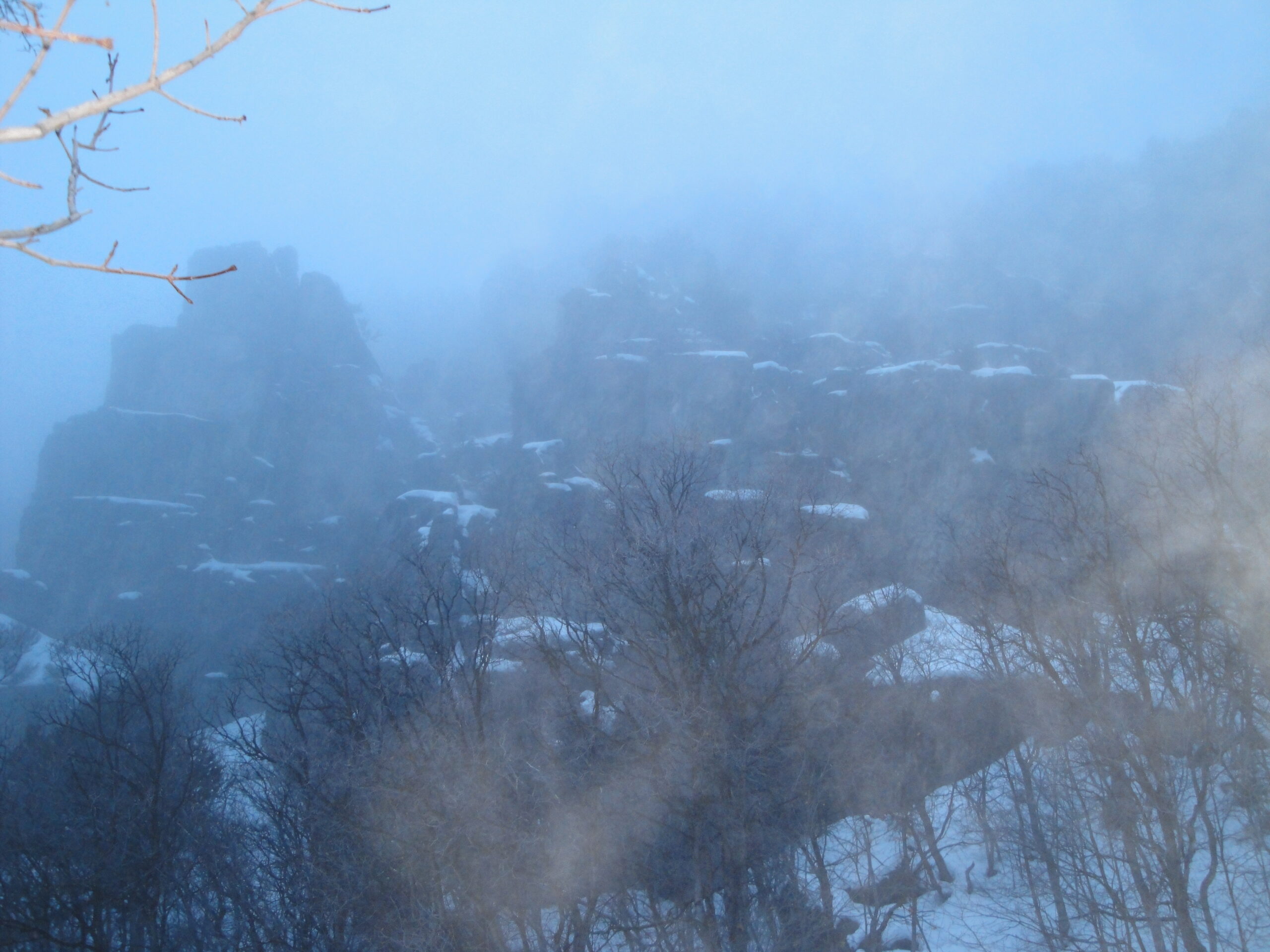
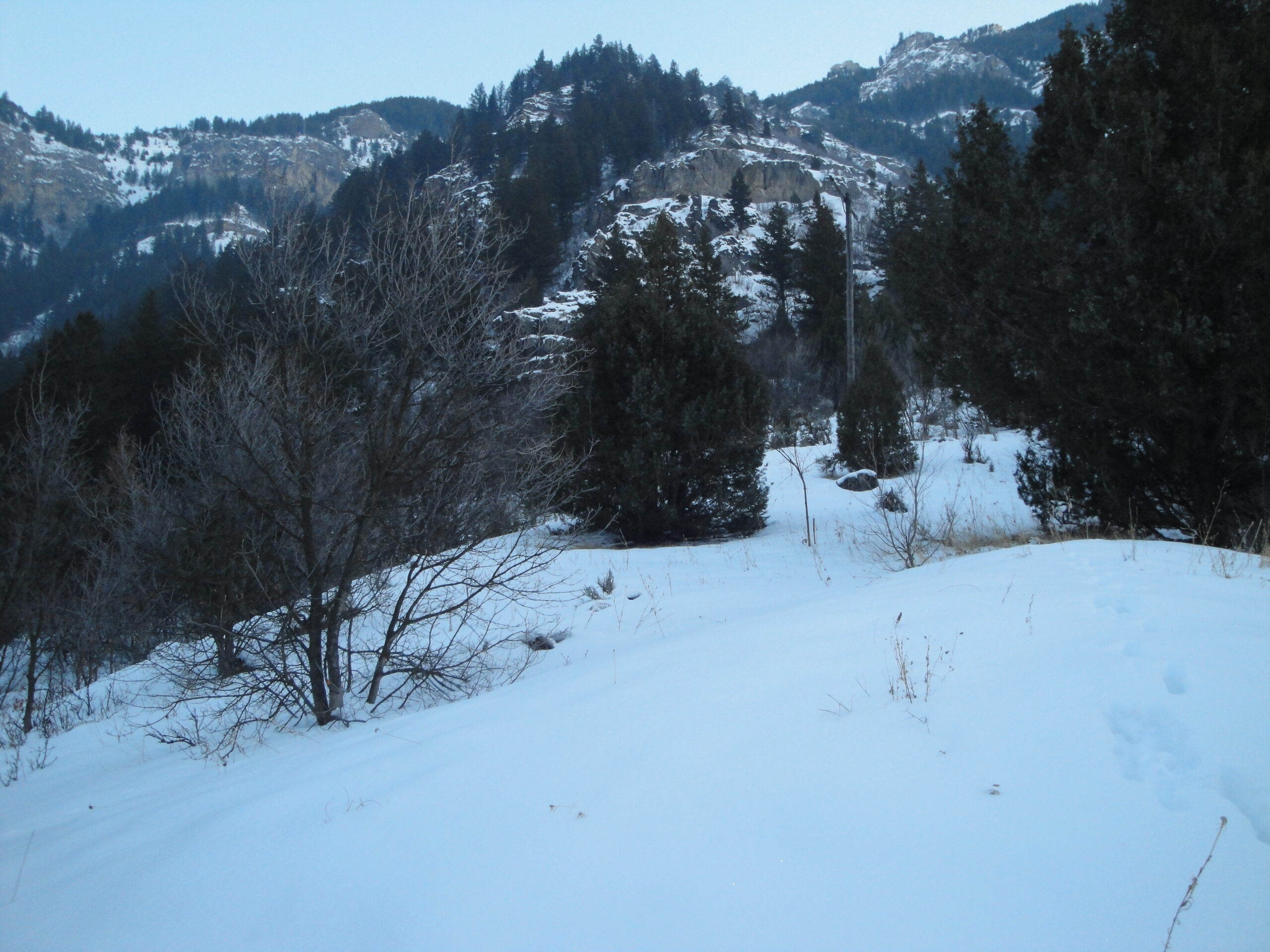
Once we hit the mountain, the action was nonstop—most of the group didn’t even stop for lunch. Luckily, I had packed a meal and scarfed it down during a quick breather between digging snow pits. From there, we dove straight into burial recovery drills and snowpack analysis. To wrap up the day, we rode up to Paris Peak for slope testing before dropping down into Egan Basin.
Avalanche Training at Beaver Creek Lodge
YouTube · Brian Beardall
Day 2: Franklin Basin & Wrenching in the Field
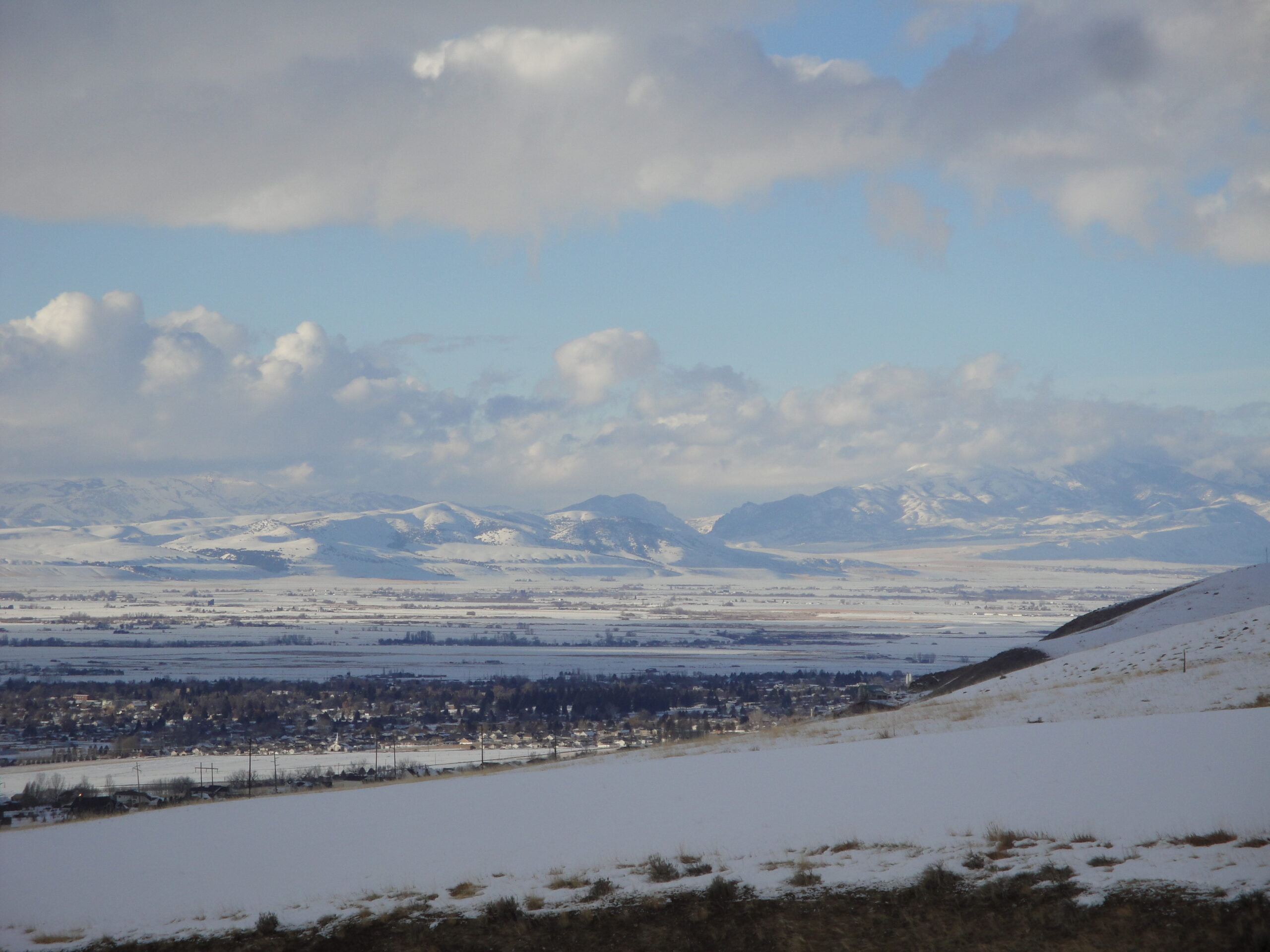
With the classroom portion behind us, Day 2 focused entirely on fieldwork. After running our mandatory radio and beacon checks, we followed Nate and Duncan out toward Franklin Basin and Beaver Mountain to analyze the snowpack.
The best part? We still logged plenty of riding time. Backcountry riding always brings unpredictable moments: mid-day, an Ice Age idler wheel bearing failed on one of the machines. Fortunately, the lodge crew had a spare wheel on hand and had the sled back in action within an hour. We wrapped up the day thoroughly exhausted, completed our end-of-day debrief, and I headed home for a solid night of rest.
Day 3: Deep Powder, Gear Interference, and Trailhead Drama
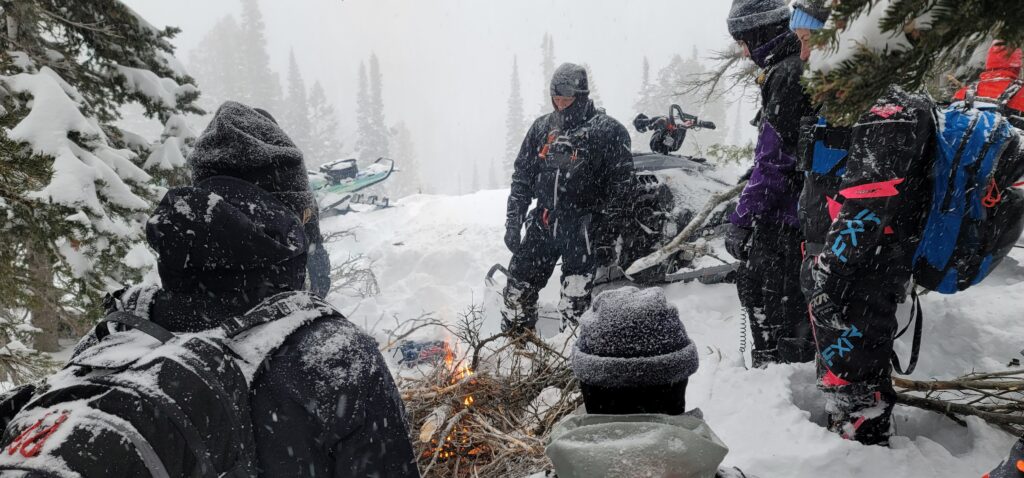
We stuck to our strict safety routine on the final morning with thorough route planning, radio checks, and beacon checks before heading out to a new zone in Franklin Basin. We tested snow stability, dug more pits, practiced slope evaluation, and ran beacon search drills.
During an afternoon scenario, I learned a vital piece of safety knowledge: I had turned on my heated base layer to stay warm, but during the fine search phase, my avalanche beacon began giving erratic direction readings.
Key Lesson: Always turn off electronics and heated gear during a search—the electromagnetic interference can distort beacon signals and delay victim recovery.
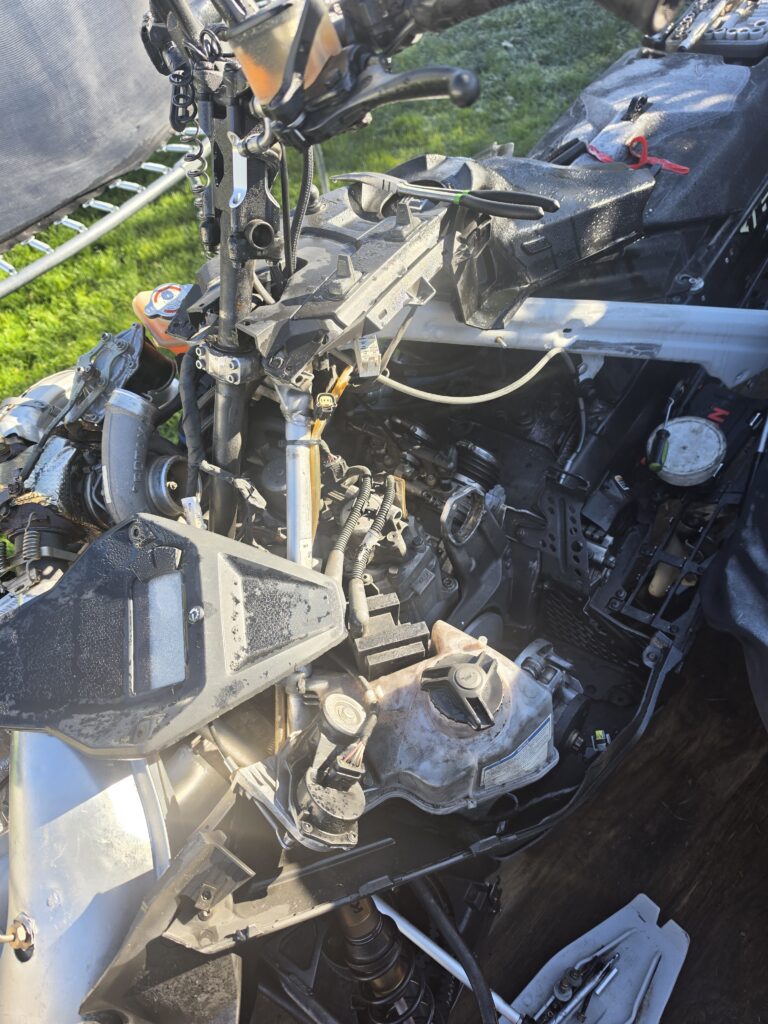
Outside of the drills, the snow was ridiculously deep. Plowing through bottomless powder made us completely forget the fatigue from the previous two days. Toward the end of the day, Nate’s sled engine blew up, requiring a full tow-out. As the crew rode back over Beaver Mountain, we hit one final snag when another sled’s throttle cable snapped. A trusty pair of vise-grips saved the day, allowing us to limp the machine back to the lodge for final evaluations and loading up.
Conclusion
This training was incredible and worth every penny. Riding alongside a pro like Duncan Lee was a game-changer. Even though I spend a ton of time up Logan Canyon, this course taught me proper avalanche safety techniques and showed me brand-new terrain and taught me far better techniques for getting a stuck sled out of deep powder.